


When it comes to staying healthy, we often think about the food we consume, but the utensils we cook and eat in can also have a significant impact on our health. The materials used for cookware and tableware can influence the nutritional value of meals, alter their taste, and even affect how the body absorbs certain nutrients.
The utensils used in everyday cooking play a far greater role in health than many people realise. According to public health experts, selecting the right cookware not only preserves the nutritional value of food but also minimises exposure to potentially harmful substances that may leach into meals during cooking.
Government Medical College Srinagar Professor Dr. S. Muhammad Salim Khan from the Department of Community Medicine said choosing safe cookware is an important yet often overlooked aspect of maintaining family health.
“The utensils we use every day can influence food safety and nutritional quality. People should make informed choices while selecting cookware and avoid using damaged or unsuitable utensils for cooking,” he said.
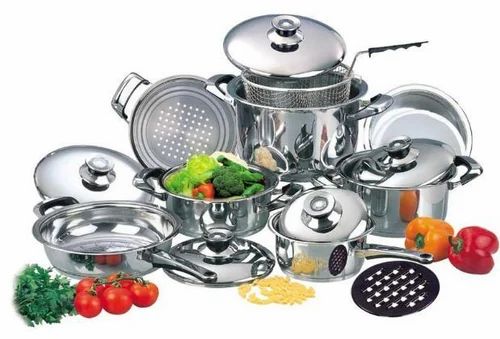
Health experts recommend stainless steel as the best choice for everyday cooking because of its excellent safety profile, durability, and versatility. It does not react with acidic or alkaline foods, does not leach harmful substances into food, and is resistant to rust. Modern stainless steel cookware with aluminium or copper cores also provides even heat distribution while retaining its safety benefits.
Cast iron is another highly recommended option, particularly in households where iron deficiency is common. Experts say cooking in cast iron naturally increases the iron content of food, helping reduce the risk of iron deficiency anaemia. It is ideal for frying, roasting, grilling, and slow cooking, but should not be used for prolonged cooking of highly acidic foods.
For baking, reheating, and food storage, experts recommend borosilicate glass because it is chemically inert and does not react with food or release harmful chemicals. However, it should be protected from sudden temperature changes.
Copper and brass utensils should only be used if they have an intact tin lining. If the protective layer wears away, metals can leach into food, especially acidic dishes, potentially causing nausea, vomiting, and in severe cases, liver or kidney damage. Regular re tinning is essential.
Plain aluminium cookware, though lightweight and inexpensive, is not recommended for cooking acidic or salty foods because aluminium may leach into food. Hard anodised aluminium is considered a safer alternative.
Non stick cookware should be replaced immediately if it becomes scratched, chipped, or starts peeling. Overheating damaged non stick pans may release harmful fumes. Experts also advise against using metal utensils or abrasive scrubbers on non stick surfaces.
Earthenware is generally safe and environmentally friendly, provided it is free from harmful substances such as lead and cadmium.
Health experts advise choosing stainless steel for everyday cooking, using cast iron regularly to improve dietary iron intake, preferring borosilicate glass for baking and food storage, avoiding acidic cooking in plain aluminium or unlined copper and brass utensils, and replacing damaged non stick cookware without delay.
Dr. Khan said awareness about cookware safety should become an important part of public health education.
“Safe cooking practices begin with selecting the right utensils. Small changes in the kitchen can contribute to healthier meals and better long term health for the entire family,” he said.
(With Inputs from KNO)