

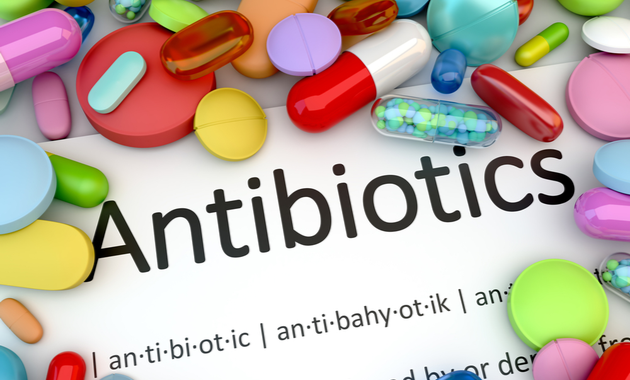
The average life expectancy in the early 20th century was 47 years in the industrialized world. There was no treatment for smallpox, cholera, diphtheria, and pneumonia. Something as simple as a scratch could get infected and lead to death. Out of the 10 million soldiers killed in World War I, about half died not from bombs or shrapnel but rather from untreatable infections from often relatively minor wounds and injuries. During World War 2, penicillin production became the War Department’s No. 2 priority after the Manhattan Project’s drive to build a nuclear bomb. Antibiotics changed the course of human history, and they were rightly called miracle drugs for their ability to cure people.
But now, these miracle drugs are giving rise to superbugs. Antimicrobial resistance or drug resistance happens when organisms such as bacteria, viruses, fungi, and parasites change in ways that cause the medicines used to cure the infections they cause to be ineffective. When the microorganisms become resistant to most antimicrobials, they are often called “superbugs.” These superbugs are a significant concern because a resistant infection may kill, spread to others, and impose huge costs on individuals and society. Each time we use antibiotics, we allow the few superbug bacteria that can survive the antibiotic to thrive. Over time, the entire population of bacteria is made up only of these superbugs, and our antibiotics no longer work. Every time an antibiotic is used, it contributes to developing resistance and diminishes that drug’s effectiveness.
Globally, drug-resistant infections caused due to antimicrobial resistance contribute to about 700 000 deaths annually and, without effective intervention, are projected to cause 10 million deaths and a global economic loss of US$100 trillion by 2050. By 2030, antimicrobial resistance could see up to 24 million people in extreme poverty. In the United States alone, antibiotic-resistant microbes cause more than 2.8 million infections and over 35,000 deaths annually. But recent research from Pew and the CDC shows that nearly 1 in 3 antibiotics prescribed at doctor’s offices and other outpatient settings is unnecessary. That’s some 47 million unnecessary prescriptions a year, all contributing to antibiotic resistance.
Researchers feel that with the increasing number of drug-resistant bacteria, they will be forced to stop organ transplantation, chemotherapy, or even the most minor surgeries. They don’t expect this to happen in a decade but within a few years. For example, bacteria causing Typhoid fever are becoming increasingly resistant to some of the most important antibiotics for human health, according to a study published in The Lancet Microbe journal.
The World Health Organization says antimicrobial resistance is one of the top 10 global public health threats facing humanity today and calls superbugs a global health threat requiring urgent action.
According to an ICMR study, many patients in India may no longer benefit from carbapenem, a powerful antibiotic administered mainly in ICU settings to treat pneumonia and septicemia, as they have developed antimicrobial resistance. Resistance to Imipenem used to treat infections caused by the bacteria E Coli, has increased from 14% in 2016 to 36% in 2021. Things are so worrying that only 43% of the pneumonia infections caused by one pathogen in India could be treated with the first line of antibiotics in 2021, down from 65% in 2016. During the chaotic treatment of Covid-19, patients were treated with antibiotics, resulting in more adverse effects. Last year, an ICMR study of 17,534 Covid-19 patients in Indian hospitals found that more than half who acquired drug-resistant infections died.
The US Center for Disease Dynamics, Economics, and Policy have developed the Drug Resistance Index (DRI) tool, which maps out the efficacy of antibiotics for particular pathogens in a specific location. In a 2019 study, India was found to have the lowest DRI among 41 countries, indicating that the country has high levels of resistance to the most commonly consumed antibiotics. Other countries with extremely low DRI scores include Ecuador, Thailand, and Venezuela. Conversely, wealthy countries such as Sweden, Canada, and Denmark were the best stewards of antibiotics.
The researchers determined that a total of 16.29 billion doses of antibiotics were sold in India in 2020, slightly less than the amounts sold in 2018 and 2019. However, when researchers focused on adult doses, usage increased from 72.6% in 2018 and 72.5% in 2019 to 76.8% in 2020. Yet another factor is that many drugs are expensive, especially the higher class of antibiotics. For example, if amoxicillin, a type of penicillin, costs about ₹100 for a strip of 10, meropenem can cost ₹2,500-3,000. The high costs often prompt patients to discontinue their medicines midway through a course when the symptoms of the disease have disappeared. But the bacteria remain in the body and are not killed when the same antibiotic is administered later.
Due to the rise in multi-drug-resistant infections. By 2032, it is predicted that it will not be possible to treat 85 percent of TB cases in India with common drugs. According to government statistics, resistant infections already claim the lives of 700,000 Indians annually – and some experts say this is an underestimate due to poor healthcare surveillance across the country.
There are also quality concerns over many of the antibiotics used. In 2019, more than 47 percent of antibiotics consumed had not been approved by the country’s official pharmaceutical regulatory body. Doctors also routinely prescribe antibiotics for patients without ascertaining whether they are genuinely warranted, partly because medical diagnostic services such as blood tests are expensive, and the infrastructure is scarce outside big cities. For instance, antibiotics do not cure viral infections, but the drugs are often prescribed anyway.
According to the Doctors Association Kashmir (DAK), more than 80% of the bacteria are resistant even to last-resort antibiotics in Kashmir. There has been an increase in the consumption of antibiotics and painkillers like Dolo, Azithromycin, and Nicep since COVID-19 as people self-medicate in Kashmir.
Antibiotic resistance leads to longer hospital stays, higher medical costs and increased mortality. Without urgent action, we are heading for a post-antibiotic era, in which common infections and minor injuries can once again kill.
Views expressed in the article are the author’s own and do not necessarily represent the editorial stance of Kashmir Newsville
The Writer Javaid Iqbal is a Health Economist