

By The Conversation
Each year on February 10, the United Nations commemorates what probably sounds to many like a strange occasion: World Pulses Day.
But, as a researcher focused on forgotten and underutilised legumes, I think the initiative is an important step towards food security. Getting people to eat more pulses can ultimately help achieve UN Sustainable Development Goal 2: Zero Hunger.
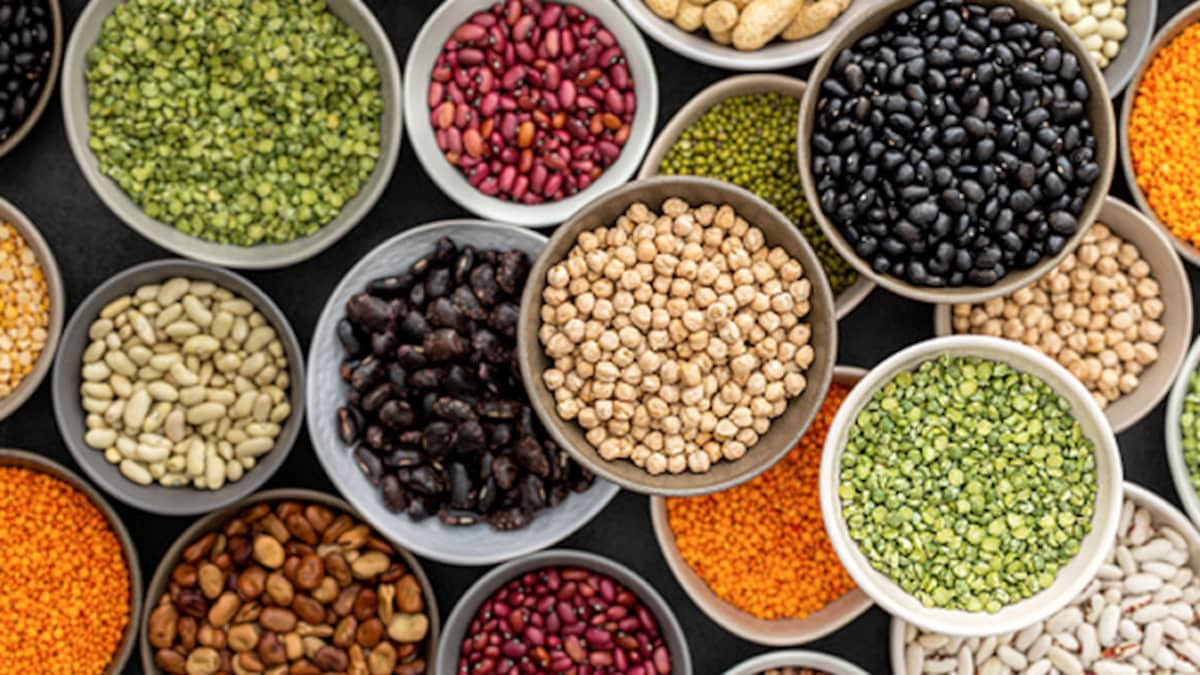
First, for clarification, legumes and pulses have different meanings. Legumes are all plants belong to the family Leguminosae or Fabaceae, while pulses are the dried seeds of legume plants. Pulses include beans, lentils and chickpeas.
One reason that legume plants offer such promise in ending hunger is that they don’t need good soil or nitrogen fertilisers. Plants need nitrogen to build important molecules such as protein and DNA. Most legumes can thrive in poor soil by fixing nitrogen gas from the air for their own use. This happens through symbiotic interaction with friendly bacteria known as rhizobia. The rhizobia are housed inside structures called nodules on the plant’s roots.
Thanks to their nitrogen-fixing ability, pulses are nutritional powerhouses: high in protein and fibre, and low in fat.
But that’s not the only interesting thing about legumes and pulses. In honour of World Pulses Day 2023, I would like to highlight five pulses that have unique properties and stories.
The African yam bean: high protein beans and underground tubers
The African yam bean (Sphenostylis stenocarpa) offers two servings of food: beans and underground tubers. The tubers have higher protein content than any non-legume tuber crops like potato and cassava, and the beans are also high in protein.
Their nutritional value was proved during the Nigerian Civil War (1967-1970) when the beans were cooked with amaranthus, telfaria or cassava leaves to feed the malnourished in war-affected areas.
This crop is native to Africa and was once grown across the African continent. Researchers have proposed that it may have been domesticated multiple times in west and central Africa.
Today, it is mostly grown as security or subsistence crop, rather than commercially. But its high protein content and drought tolerance are attracting increasing interest.
Common bean: diversity and environmental versatility
The common bean (Phaseolus vulgaris) comes in many varieties around the world. Examples are black beans, red kidney beans and pinto beans they look different but they are the same species.
What’s special about them is that they can pair with a larger number of rhizobial species than other legumes can. This may have helped the common bean to thrive outside its native land and diversify in various habitats around the world. It’s able to fix nitrogen in different environments, making it a resilient legume species.
Pea: a role in early understanding of genetics
The pea (Pisum sativum) is among the oldest domesticated crops in the world. It contributed to the understanding of genetics, thanks to Gregor Mendel’s famous experiment with pea plants.
Mendel observed the way that different physical properties of the pea plants were inherited: pod shape, seed shape, seed colour, unripe pod colour, flower colour, stem length, and flower placement. He crossed two pea plants that had different properties and observed the seven traits in the subsequent generations for two years. From this experiment, he established Mendel’s Rules of Inheritance still applicable in modern day genetic study.
The rich genetic diversity of the pea is also a valuable resource for important crop traits that can withstand various weather conditions due to climate change.
Chickpea: built for drought
Many pulses are drought tolerant and use less water for production than animal-sourced proteins, especially beef.
Chickpea (Cicer arietinum) is known to be highly drought tolerant. Most of this crop is grown under rainfed conditions in arid and semi-arid areas. This special ability to grow where water is scarce is more prominent in wild species of chickpea.
Wild chickpeas can also tolerate temperatures up to 40C another valuable genetic resource for better drought tolerance in modern chickpeas.
Still, chickpea yield is highly compromised when there is lack of water. Therefore, scientists are looking for beneficial traits that can reduce the yield loss in chickpeas during drought. This may contribute to a more secure food source in the midst of climate change.
Lupins: special cluster roots to seek nutrients
White lupins (Lupinus albus), yellow lupins (Lupinus luteus) and pearl lupins (Lupinus mutabilis) can form special roots to get more nutrients without the need for additional fertilisers.
Plants need not only nitrogen but phosphorus. Usually it’s given to plants in fertiliser to increase crop yield. Phosphate fertiliser is made from phosphate rock – a non-renewable resource which is rapidly depleting through agricultural use.
The white, yellow, and pearl lupins have unique root modifications called cluster roots that can liberate phosphorus from soil particles when the nutrient is low. These roots look like bottlebrush and are formed only when the level of phosphorus in the soil is low.
These cluster roots exude negatively charged compound called carboxylate that can liberate phosphorus from the soil and make it available for the plant to use. So lupins do not have to rely on phosphate fertilisers and can even help neighbouring plants by increasing the phosphorus level in the soil.
Food security
Pulses deserve our attention not just on February 10 but every day. The five pulses I’ve presented here can serve as sustainable protein sources and make food systems more diverse. They can greatly contribute to better food security in the future.