

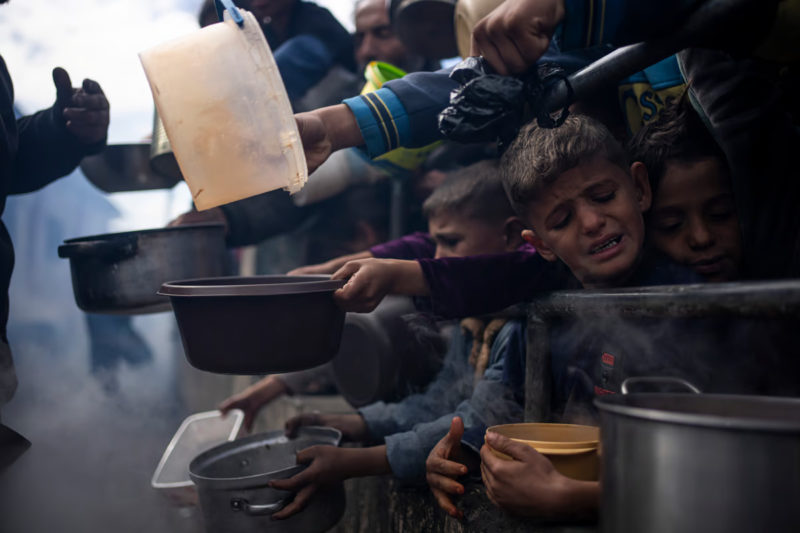
Tel Aviv: Israel stopped the entry of all goods and supplies into the Gaza Strip on Sunday and warned of “additional consequences” if Hamas does not accept a new proposal for an extension of the first phase of a fragile ceasefire.
Hamas accused Israel of trying to derail the truce and said its decision to cut off aid was “cheap extortion, a war crime and a blatant attack on the (ceasefire) agreement.” Both sides stopped short of saying the ceasefire had ended.
The first phase of the ceasefire, which included a surge in humanitarian assistance, expired on Saturday. The two sides have yet to negotiate the second phase, in which Hamas was to release dozens of remaining hostages in return for an Israeli pullout and a lasting ceasefire
An Israeli official, speaking on condition of anonymity in line with regulations, said the decision to suspend aid was made in coordination with the Trump administration.
Israeli Prime Minister Benjamin Netanyahu’s office said earlier on Sunday that it supports what it described as a proposal from US Mideast envoy Steve Witkoff to extend the first phase of the ceasefire through Ramadan and Passover, which end on April 20.
Under that proposal, Hamas would release half the hostages on the first day and the rest when an agreement is reached on a permanent ceasefire, according to Netanyahu’s office.
There was no immediate comment from the United States, Egypt or Qatar, which have been mediating between Israel and Hamas for over a year.
The war began when Hamas-led militants stormed into southern Israel on Oct. 7, 2023, killing some 1,200 people and taking 251 hostage. The militants are currently holding 59 hostages, 32 of whom are believed to be dead, after releasing most of the rest in ceasefire agreements.
Israel’s offensive has killed over 48,000 Palestinians, according to Gaza’s Health Ministry. It says more than half of those killed were women and children.
Israeli bombardment and ground operations pounded large areas of the strip to rubble and at the height of the conflict displaced some 90% of the population of 2.3 million. The war has left most of the population dependent on international aid for food and other essentials, with hundreds of thousands crammed into tent camps and schools-turned-shelters.