

Once a year, large numbers of Muslim pilgrims converging on Saudi Arabia unite in religious rituals and acts of worship as they perform the Hajj, one of the pillars of Islam. They fulfill a religious obligation, immersing themselves in what can be a spiritual experience of a lifetime for them and a chance to seek God’s forgiveness and the erasure of past sins.
Here’s a look at the pilgrimage and its significance to Muslims.
What is the Hajj?
The Hajj is the annual Islamic pilgrimage to Makkah in Saudi Arabia and involves a series of religious rituals. It’s required once in a lifetime of every Muslim who can afford it and is physically able to make it. Some Muslims make the journey more than once.
It is also one of the Five Pillars of Islam, in addition to the profession of faith, prayer, almsgiving, and fasting.
When is the Hajj?
The Hajj occurs once a year during the lunar month of Dhul-Hijja, the 12th and final month of the Islamic calendar year. This year, the Hajj will start on June 4.
When the Hajj falls during the summer months, the intense heat can be especially challenging. Amid extremely high temperatures last year, more than 1,300 people died during the Hajj, Saudi authorities announced then. The country’s health minister said at the time that the vast majority of the fatalities were unauthorized pilgrims who walked long distances under the sun.
What’s the significance of the Hajj to Muslims?
For pilgrims, performing the Hajj fulfills a religious obligation and is also a deeply spiritual experience. It’s seen as a chance to seek God’s forgiveness for past sins, to grow closer to God and to walk in the footsteps of prophets.
Communally, the Hajj unites Muslims of diverse races, ethnicities, languages, and economic classes from around the world in performing religious rituals and acts of worshipping God at the same time and place. This leaves many feeling a sense of unity, connection, humility, and equality. Pilgrims also show up with their own personal appeals, wishes and experiences.
Many pilgrims bring with them prayer requests from family and friends that they would like to be said on their behalf. Some spend years hoping and praying to one day perform the Hajj, or save up money and wait for a permit to embark on the trip.
Ahead of the journey, preparations may include packing various essentials for the physically demanding trip, seeking tips from those who’ve performed the pilgrimage before, attending lectures or consulting other educational material on how to properly perform a series of Hajj rituals as well as spiritually preparing oneself.
What are some of the rituals that pilgrims perform?
Pilgrims must complete several rites in a set order, with each carrying deep religious symbolism:
1. Ihram – The State of Purity
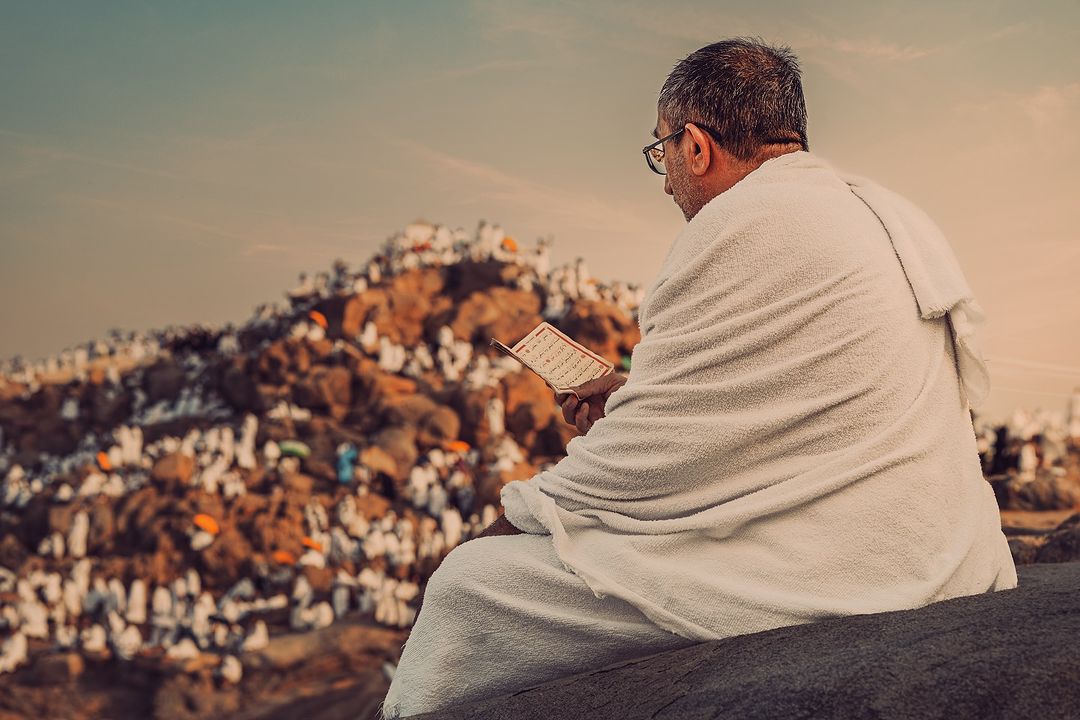
Before entering Mecca, pilgrims don the Ihram garments—white seamless cloth for men and simple modest attire for women—to signal spiritual purity and equality before God. While in this state, pilgrims must avoid arguments, vanity, and any worldly distractions.
2. Tawaf – Circling the Kaaba
Upon arriving in the Grand Mosque in Mecca, pilgrims perform Tawaf, which involves walking around the Kaaba seven times in a counter-clockwise direction. The Kaaba is considered the holiest structure in Islam, and this act symbolizes unity in worship and submission to God.
3. Sa’i – Walking Between Safa and Marwah
This ritual commemorates Hagar’s desperate search for water for her son, Ismail. Pilgrims walk briskly between the two small hills of Safa and Marwah seven times, retracing her path.
4. Arafat – The Day of Standing
Perhaps the most important part of the Hajj, pilgrims gather at the Plain of Arafat on the 9th of Dhul-Hijja. Here, they pray and reflect from noon until sunset, asking for forgiveness in what is seen as a rehearsal for the Day of Judgment.
5. Muzdalifah – Night Under the Stars
After sunset, pilgrims travel to Muzdalifah, a plain between Arafat and Mina, to spend the night under the open sky. They also collect pebbles here for the next day’s ritual.
6. Ramy al-Jamarat – The Stoning of the Devil
On the 10th of Dhul-Hijja, pilgrims throw pebbles at three stone pillars in Mina, representing Satan. This act reenacts Prophet Ibrahim’s rejection of Satan’s temptation.
7. Qurbani (Sacrifice)
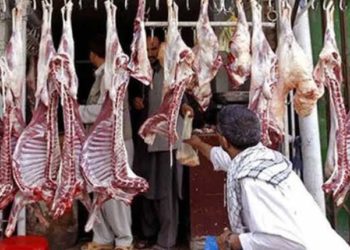
This day also marks the Eid al-Adha celebration. Pilgrims perform the ritual slaughter of an animal, commemorating Prophet Ibrahim’s willingness to sacrifice his son in obedience to God. The meat is distributed among the poor.
8. Tawaf al-Ifadah and Farewell Tawaf
After returning to Mecca, pilgrims perform another round of Tawaf and complete final rites before returning home spiritually renewed.
What is Eid Al-Adha?
Eid Al-Adha, or the “Feast of Sacrifice,” is the Islamic holiday that begins on the 10th day of the Islamic lunar month of Dhul-Hijja, during the Hajj.
A joyous occasion celebrated by Muslims around the world, Eid Al-Adha marks Ibrahim’s test of faith and his willingness to sacrifice his son as an act of submission to God. During the festive holiday, Muslims slaughter sheep or cattle and distribute some meat to poor people.
Hajj: A spiritual journey that transcends borders
Hajj is more than a religious obligation—it is a global manifestation of Muslim unity, humility, and submission to God. People from vastly different cultures walk side by side, dressed identically, performing the same rituals. This unique pilgrimage breaks down social barriers and leaves participants with a sense of deep spiritual accomplishment.
As pilgrims return from Mecca, they are often referred to as “Hajji,” carrying newfound wisdom and renewed faith. For millions who cannot make the journey this year, Hajj remains a spiritual aspiration that reflects the heart of Islamic devotion.