


Srinagar: The main entrances of several major hospitals in Kashmir — including SMHS, SKIMS, LD Hospital, and Bone and Joint Hospital — have turned into virtual choke points, with unregulated vendors, e-rickshaws, auto-rickshaws, and street food sellers crowding the gates.
The unchecked encroachment has led to severe traffic congestion and is increasingly hampering the movement of emergency vehicles.
Despite repeated complaints from patients, doctors, and hospital staff, authorities have failed to take effective steps to regulate the chaos.
“The entire entrance of SMHS remains jam-packed throughout the day. E-rickshaws are parked in double lines, auto drivers shout for passengers, and masala roti sellers block parts of the road. This is a hospital, not a marketplace,” said Shazia Bano, a patient from Baramulla who frequently visits SMHS for treatment.
Ambulance drivers say emergency access is regularly obstructed, even in critical cases.
“We waste precious minutes honking and pleading with vendors and auto drivers to clear the way. For cardiac arrests or trauma cases, even a short delay can be fatal,” said Fayaz Ahmad, an ambulance driver at SMHS.
Medical professionals have also voiced concern.
“There have been times when we couldn’t enter the hospital on time due to blocked gates. It directly impacts patient care and causes unnecessary stress,” said a senior surgeon at SMHS.
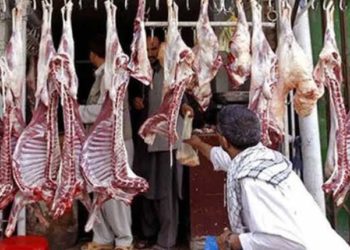
The problem extends beyond one hospital. At LD Hospital, the entrance remains perpetually chaotic. Masala roti stalls attract large crowds that spill onto the road, while e-rickshaws, autos, and private vehicles park haphazardly, leaving little room for movement.
“I had to get down far from the gate and walk through a crowd of vendors and autos while in pain. It was a terrible experience,” said Rubeena Jan, a pregnant woman from Anantnag visiting LD Hospital.
Patients and medical staff have clarified they are not against anyone earning a livelihood, but demand regulation near healthcare facilities.
“There must be proper oversight. Hospitals are not commercial zones — they are meant for healing,” said a doctor at SKIMS.
Health officials acknowledge the issue but say enforcement remains a challenge.
“We’ve written several times to the local authorities requesting traffic regulation and removal of unauthorized vendors from hospital gates. It’s a serious risk to emergency services,” an official said.
Patients, attendants, and healthcare professionals are calling for urgent intervention — including the creation of no-vending zones near hospital gates, regulated parking for autos and e-rickshaws, and strict enforcement of clear pathways for ambulances.
“Healthcare centres must be treated as sanctuaries for the sick, not as chaotic bazaars. The current situation is unacceptable,” they said.
Unless swift and decisive action is taken, growing encroachment could turn Kashmir’s key hospitals into daily battlegrounds — for space, safety, and life. — (With KNO Inputs)