

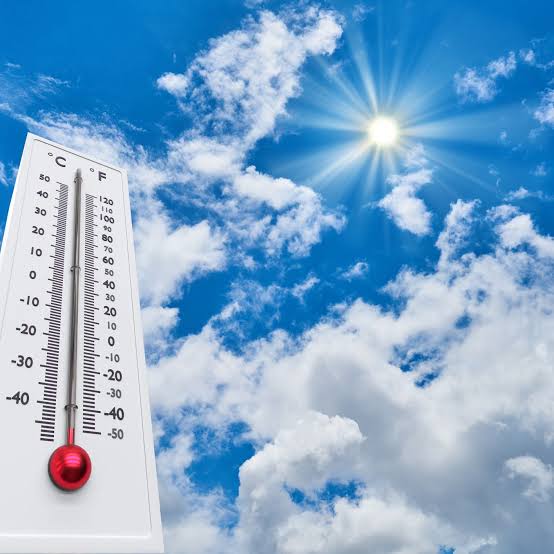
Srinagar: Amid an ongoing heatwave, doctors have urged the public to take necessary precautions to avoid heat-related illnesses, including heatstroke, which can be life-threatening if not addressed promptly.
Dr. Murtaza Hussain, a general physician at DHSK, described the current temperature levels as “unprecedented” and potentially hazardous without proper preventive care.
“To cope with the summer heat, it’s crucial to stay hydrated by drinking plenty of water, ORS, and traditional drinks like lassi, lemonade, chaach (buttermilk), and fresh homemade juices,” he said. He cautioned against consuming aerated drinks, packaged juices, and excessive tea or coffee, which can contribute to dehydration.
Dr. Hussain also recommended:
- Avoiding outdoor activities during peak heat hours unless absolutely necessary
- Increasing daily fluid intake by 1 to 3 litres, depending on activity levels
- Wearing light-coloured, loose-fitting clothing
- Using scarves, caps, or umbrellas for protection
- Applying sunscreen to guard against UV exposure
- Avoiding sugary drinks and processed juices due to their high caloric content
Dr. Rukhsana Aziz, a physician posted in South Kashmir, emphasized the importance of recognizing early symptoms of heat-related illness. “Fatigue, weakness, nausea, vomiting, dizziness, confusion, or disorientation should prompt an immediate visit to the nearest health facility,” she advised.
She added that with rising temperatures driven by climate change, people must adapt their routines accordingly. “Limit physical exertion during the hottest hours of the day, and closely monitor vulnerable groups such as children, the elderly, and those with pre-existing health conditions.”
Doctors warn that heatstroke—the most serious heat-related condition—can occur when the body’s temperature regulation fails, leading to a rapid and dangerous rise in body heat.
As Kashmir grapples with the unusual spike in temperatures, health professionals are calling for increased public awareness and preventive action to mitigate risks.
(with KNO inputs)