


Washington: President Donald Trump said Tuesday the United States is extending its ceasefire with Iran at Pakistan’s request as he waits for a unified proposal from the Islamic Republic.
The announcement came as last-minute ceasefire talks between the US and Iran looked uncertain and a two-week truce was set to expire Wednesday.
In a Truth Social post announcing the ceasefire extension, Trump also said the US military would continue it’s blockade of Iranian ports.
As last-minute ceasefire talks between the US and Iran looked uncertain, both countries warned that, without a deal, they were prepared to resume fighting.
The decision, revealed late on Tuesday, marks the latest abrupt shift in Washington’s position after a week of escalating rhetoric and contradictory signals. Only hours earlier, Trump had warned that “if there’s no deal, the bombs will drop”, insisting US forces were ready to launch a large-scale attack on Iranian infrastructure.
Instead, the White House now says it will hold off, citing appeals from Pakistan’s leadership, including Prime Minister Shehbaz Sharif and army chief Asim Munir, who are attempting to revive stalled talks in Islamabad.
Earlier, the White House put on hold Vice President JD Vance’s expected trip to Islamabad for a second round of talks as Tehran — at least for the time-being — has balked at further talks.
A ceasefire under strain
The truce, originally announced on 7 April, followed weeks of intense confrontation that reportedly saw more than 100 waves of Iranian retaliatory strikes targeting US and allied positions across the Gulf. Strategic sites in countries including the UAE, Bahrain and Saudi Arabia were hit, underscoring the regional scope of the conflict.
Despite the pause in direct hostilities, tensions have continued to simmer. Washington has maintained a naval blockade of Iranian ports — a move Tehran has condemned as an “act of war”.
Iran’s foreign minister, Abbas Araghchi, said the blockade made meaningful negotiations impossible. “Iran knows how to resist bullying,” he wrote, signalling that Tehran would not engage under coercion.
Tehran’s scepticism
Iranian officials have reacted cautiously, if not outright sceptically, to the ceasefire extension. Senior figures have warned that the move could be a tactical ploy rather than a genuine step towards peace.
An adviser to parliamentary speaker Mohammad Baqer Qalibaf told Reuters the announcement might be intended to mask preparations for a surprise attack, insisting that “the losing side cannot dictate terms”.
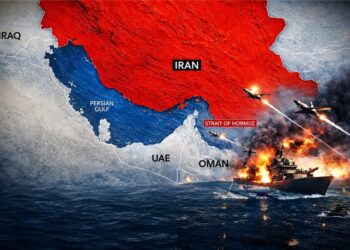
Qalibaf himself has reiterated that Iran will not negotiate “under the shadow of threats”, while lawmakers are reportedly advancing new measures concerning control of the Strait of Hormuz — a signal of Tehran’s readiness to escalate if necessary.
Fragile prospects for talks
In Islamabad, authorities have taken extraordinary measures to facilitate negotiations. Government offices are closed, schools shut and security tightened across the capital’s diplomatic district as mediators attempt to create conditions for dialogue.
Officials involved in the process say there are still areas of potential agreement, but acknowledge that the gap between US and Iranian positions remains wide. Washington has rejected Tehran’s preconditions, while Iran refuses to engage amid ongoing military pressure.
Pakistan is now working to identify points of convergence, hoping that Trump’s temporary softening might prompt reciprocal flexibility from Tehran.
Whether that hope materialises remains uncertain. With the blockade continuing and threats of renewed strikes still on the table, the extended ceasefire may offer time — but not yet a clear path — to de-escalation.
Since the war started, at least 3,375 people have been killed in Iran, according to authorities. Additionally, 23 people have died in Israel and more than a dozen in Gulf Arab states. Fifteen Israeli soldiers in Lebanon and 13 US service members throughout the region have been killed.