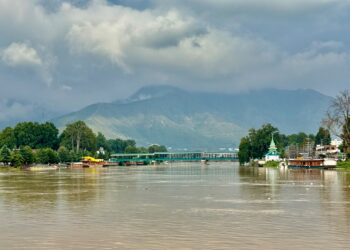


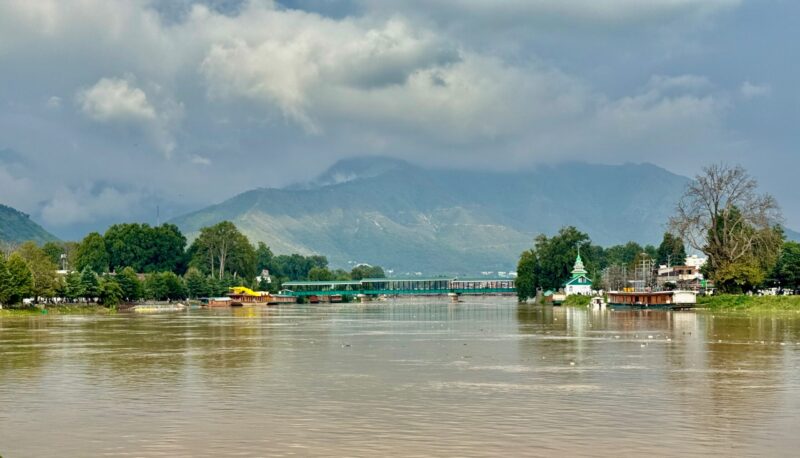
Srinagar: Every spell of heavy rain in Kashmir revives memories of the devastating 2014 floods for thousands of families living along the banks of the Jhelum River and its tributaries. More than a decade later, many residents say they continue to spend sleepless nights watching fluctuating water levels, uncertain whether the river will remain within its banks.
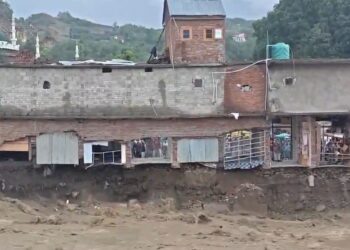
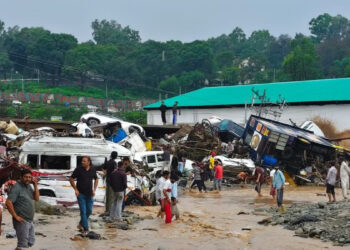
The prolonged rainfall over the past week, which triggered flash floods, landslides and a sharp rise in the Jhelum, once again left people in low-lying areas on edge, despite authorities maintaining that the flood threat has largely receded.
“We spend the entire night checking the river. One hour the water level appears to recede, and the next hour it rises again. Every rainfall reminds us of the 2014 floods,” said Arif Ahmad, a resident of Sethar in Anantnag, whose home is located close to the Jhelum.
For many, the fear is rooted in memories of September 2014, when unprecedented flooding submerged large parts of Kashmir, claiming lives, destroying homes and crippling infrastructure.
Residents say that while the government initiated several flood mitigation measures after the disaster, including dredging of the Jhelum, strengthening embankments and improving drainage channels, every prolonged spell of rain continues to trigger panic.
“After the devastating floods, we were told that comprehensive flood management projects would significantly reduce the risk. Billions of rupees have reportedly been spent over the years, but every spell of heavy rainfall still leaves us terrified. We want to know how much the carrying capacity of the Jhelum has actually increased,” another resident said.
People living along the river questioned whether the extensive works undertaken over the past decade have achieved the intended results.
“We are not against development works, but we deserve transparency. The government should explain what has been achieved after so many years. Has the river’s carrying capacity improved? If yes, by how much? Why do people still fear flooding every time it rains?” a resident asked.
Residents urged the authorities to intensify desilting of the Jhelum and its tributaries, remove encroachments, improve drainage systems and strengthen vulnerable embankments to minimise the risk of inundation in low-lying areas.
They also called for the government to make public the progress and impact of flood mitigation projects launched after the 2014 floods.
“We do not want another tragedy like 2014. We only want assurance backed by visible results so that people can sleep peacefully even when it rains,” another resident said.
Officials said the overall flood threat had eased, residents said long-term confidence would come only when they could trust the river no longer posed the same danger every monsoon.
They urged the government to release detailed reports on the status of flood management works, the current carrying capacity of the Jhelum, and future plans to strengthen Kashmir’s flood resilience, saying such information has become increasingly important as extreme rainfall events appear to be occurring more frequently. (inputs from KNO)