

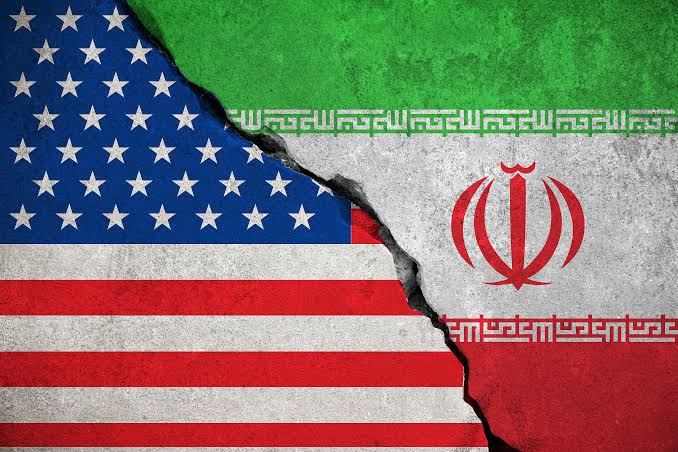
Islamabad/Tehran: The prospect of a second round of US-Iran negotiations in Islamabad hung in the balance on Tuesday, as Tehran refused to engage “under the shadow of threats” and Donald Trump sent conflicting signals on diplomacy while indicating he was in no hurry to end the war.
The deepening uncertainty has cast a shadow over Pakistan’s high-stakes mediation effort, with the ceasefire due to expire on Wednesday and fears mounting that the region could slide back into open conflict.
Iran’s chief negotiator and parliament speaker Mohammad Bagher Ghalibaf ruled out participation in further talks under current conditions, accusing Washington of turning negotiations into “a table of surrender” through continued military pressure, including a naval blockade and recent actions at sea.
“We do not accept negotiations under the shadow of threats,” he said, warning that Iran was prepared to “reveal new cards on the battlefield” if tensions escalated.
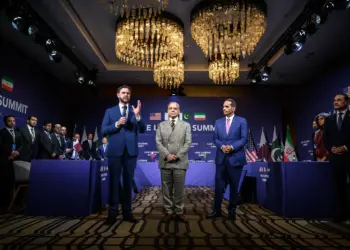
Despite Tehran’s stance, Trump said he still expected to dispatch a negotiating team led by vice-president JD Vance to Islamabad. Yet he simultaneously dampened expectations for de-escalation, saying he was “highly unlikely” to extend the ceasefire.
In a series of statements, Trump paired talk of diplomacy with stark threats, warning that the United States could target Iran’s infrastructure if a deal were not reached — rhetoric that Iranian officials say undermines any meaningful negotiation.
The contradictions have reinforced Tehran’s view, articulated by foreign ministry spokesperson Esmail Baghaei, that Washington is not acting in good faith and remains committed to coercive tactics.
Pakistan, which brokered the initial ceasefire and hosted the first round of talks earlier this month, is now scrambling to keep the process alive. Officials say the next round has not been formally confirmed, even as preparations intensify in Islamabad.
Security has been significantly ramped up across the capital, with thousands of personnel deployed and routes to key locations heavily guarded, reflecting expectations of high-level delegations if talks proceed.
A Pakistani security source said army chief Asim Munir had warned Trump that the ongoing US naval blockade of Iranian ports was undermining mediation efforts — a concern echoed by analysts who say continued military pressure risks collapsing diplomacy altogether.
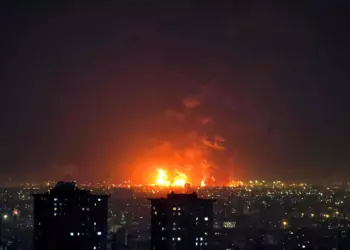
The war, which began in late February, has already exacted a heavy human cost. More than 3,300 people have been killed in Iran, alongside over 2,200 in Lebanon, with additional casualties reported in Israel and across Gulf states. Military losses include Israeli and US personnel deployed in the region.
The conflict has also spilt into critical maritime routes. A recent US action against an Iranian merchant vessel in the Sea of Oman — described by Tehran as piracy and a violation of the ceasefire — has further inflamed tensions. Iran has responded by tightening control over the strategic Strait of Hormuz, raising concerns over global energy supplies.